Reeds

Double cane reeds

Needed tools

 
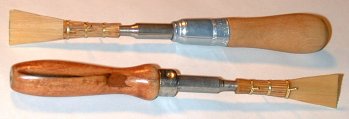
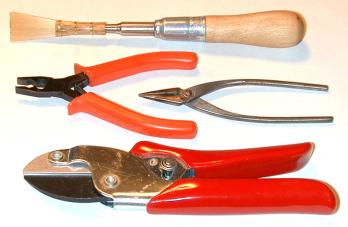
  • A mandrel

     
  • Pliers


  • A garden knife to cut-off the tip of the reed
Mandrel, pliers and a garden knife.


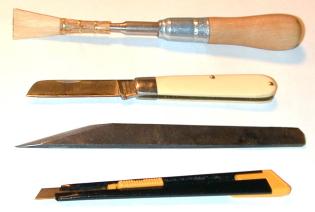
  • A folding knife


  • A Japanese knife, used for scraping.

     
  • An always sharp knife, used for shaping
Mandrel and three knifes.
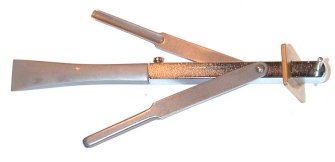
  • A Rieger B2 shaper
Rieger B2 shaper.
  • Scraping tool for the soft side of the cane, made by Leslie Ross.
Click for a larger picture.
  • A scraper for the soft inner side of the cane


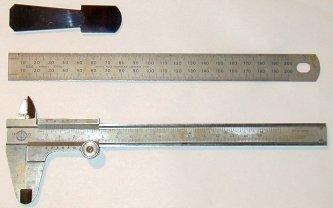
  • Measuring tools
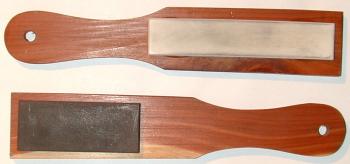
  • My favorite stones on a cedar pedal
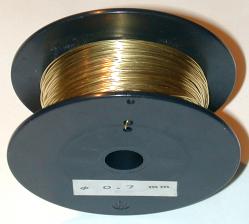
  • Wire
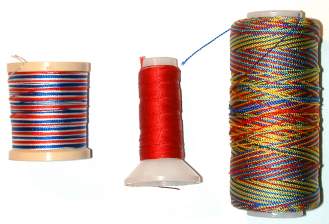
  • Thread

Process

Without a shaper I start like this:
  • Draw the dimensions on a piece of gouged and profiled cane.
  • Soak the cane and keep it wet from here on.
  • Fold the cane over the blade of a knife.
  • Keep the cane folded and shape it with a (sharp) knife.
Cane with the dimensions of a bass dulcian reed.
With a shaper I start like this:
  • Soak the cane and keep it wet from here on.
  • Fold the cane over the blade of a knife.
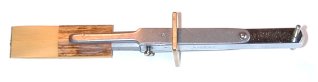
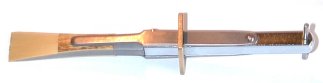
  • Clamp it on the shaper.
  • Shape the cane with a sharp knife.
Cane on a shaper. After shaping.
  • After shaping the pieces of cane should look like this.
  • Make scratches through the bark starting at about 5 mm from the scrape down to the butt.
Cane after shaping.
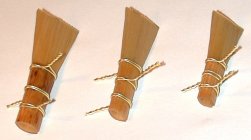
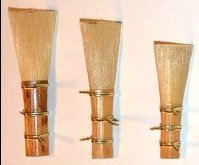
  • Wrap the three wires around the cane. Second and third wire pretty loose.
Bass, tenor and alto dulcian reeds after wrapping the wires. Bass, tenor and alto dulcian reeds after wrapping the wires.
  • Keep the reed at the tip and insert the mandrel, some people heat the mandrel before inserting.
  • Tighten the wires.
  • Let the reed dry. Minimally one day, better two or three days. Tighten the wires a few times during the drying period.
  • Seal the cane from the middle wire to the butt, for example with with nail polish.
After inserting the mandrel.
  • Cut-off the tip of the reed.
  • The reed can be tested now. Usually the tip must be scraped to improve the attack.
  • To make the butt stronger, wrap thread around the third wire.
  • Happy playing.
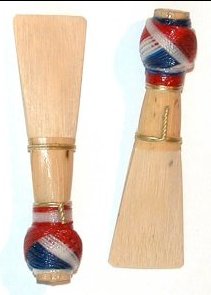
Two finished bass dulcian reeds.

Dulcian reeds

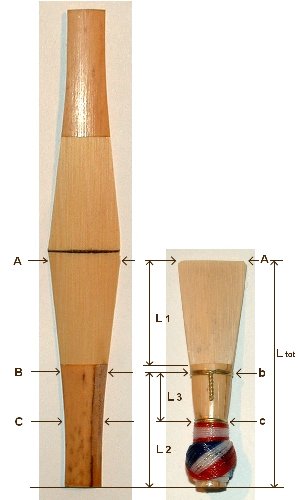
Reed dimensions

Dulcian A B b C Ltot L1 L2 L3 Shaper Remarks
Soprano 14 8 7 7 42 21 18 7.5 -- Rieger schalmei cane
Alto 14.5 8.5 8 7.5 43 21 20 9 (Rieger 10) Rieger dulcian or bassoon cane
Tenor 16.5 10 9.5 8 53.5 25 27 12 (Rieger 7) Rieger bassoon cane
Bass 19 12.5 11.5 10.5 62 29 30.5 14 (Rieger B2) Rieger baroque bassoon cane
Quart bass 20 12.5 11.5 10.5 68.5 33 33 14 (Rieger K1) Rieger contra bassoon cane
Reed dimensions from Hans von Busch:
Soprano 14-16 8-8.5   7-7.5 44-46 21-23 21      
Alto 16-17 8-9   7-7.5 50-51 23-24 24      
Tenor 18 9.5-10   8.5 62-64 26-28 33      
Bass 20-21 11.5-12   10 64-66 28-30 33      
Reed dimensions from Paolo Tognon:
Soprano 13   7   48   23     Lyndon-Jones soprano
Bass 18 13   11 61 29 30 7 Rieger B2 Junghänel bass

All dimensions in mm.

The first five entries in the table give the reed dimensions that I use most of the time for my Moulder dulcians. The shapers mentioned give approximately these reed dimensions but are not really needed to make good reeds. Even stronger, if you like to experiment with reed dimensions, a shaper is a limiting factor.