The circular saw is a machine using a toothed metal cutting disc or blade.
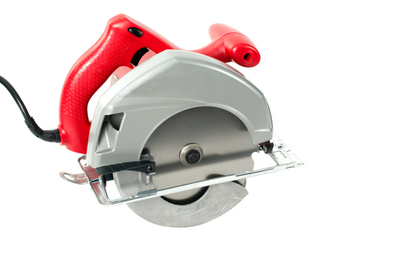
The term circular saw is most commonly used to refer to a hand-held electric circular saw designed for cutting wood, which may be used less optimally for cutting other materials with the exchange of specific blades. Circular saws can be either left or right-handed, depending on the side of the blade where the motor sits and which hand the operator uses when holding a saw.
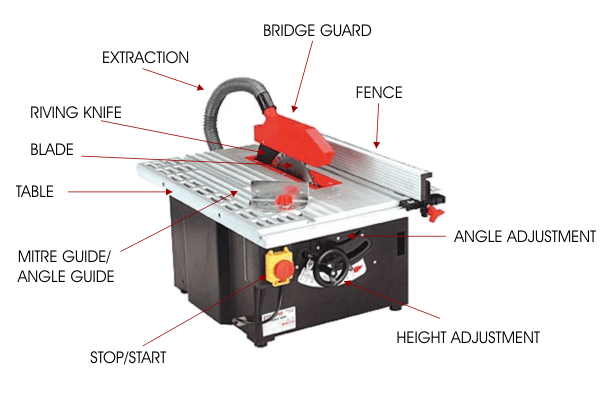
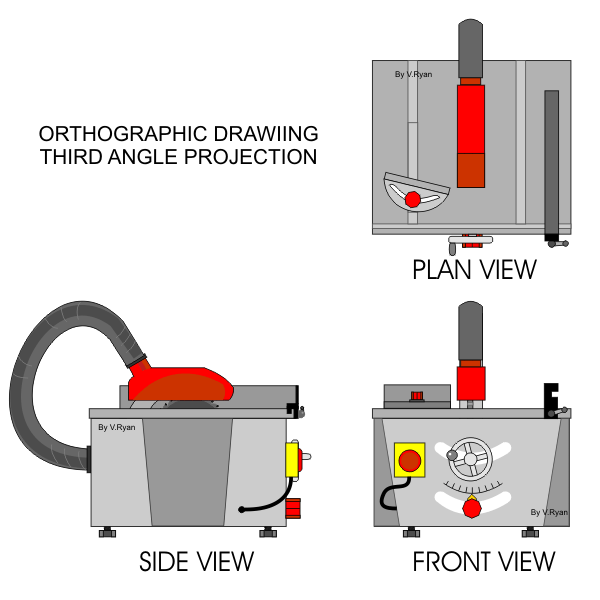
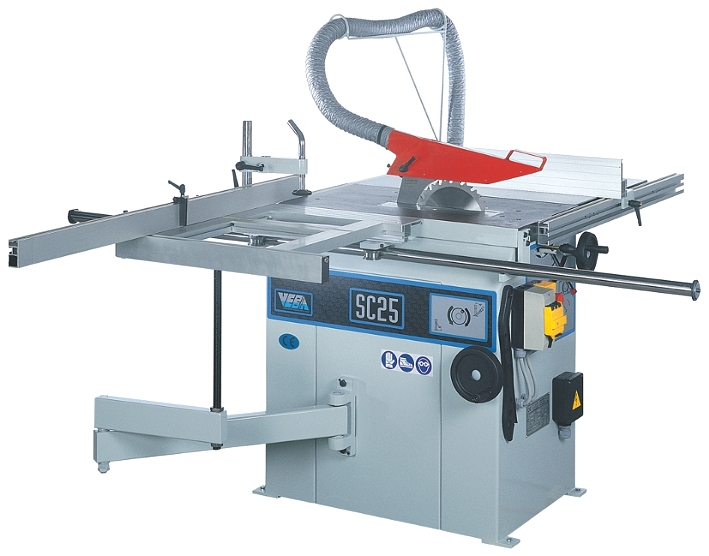
A table saw is a set composed of a table, a circular saw and guiding accessories, for making straight or oblique cuts to large pieces.
|
|
|
| Portable circular saw | Table saw |
Blades for timber are almost universally tungsten carbide tipped (TCT). High speed steel (HSS) blades are also available.
Circular saws are used for cutting woods to size . They are
extremely powerful and dangerous if used incorrectly. They are ideal for cutting
manmade boards such as plywood and MDF and natural woods up to a size of
approximately 30mm thickness. They can be used to cut kitchen tops and materials
for furniture and windows. They are a necessary piece of equipment for heavy
joinery work. They must be used safely as an accident with this type of
equipment can be very serious.
The safe use of circular saws are outlined below. Remember, before operating any
power tools you must receive training from a suitably qualified instructor.
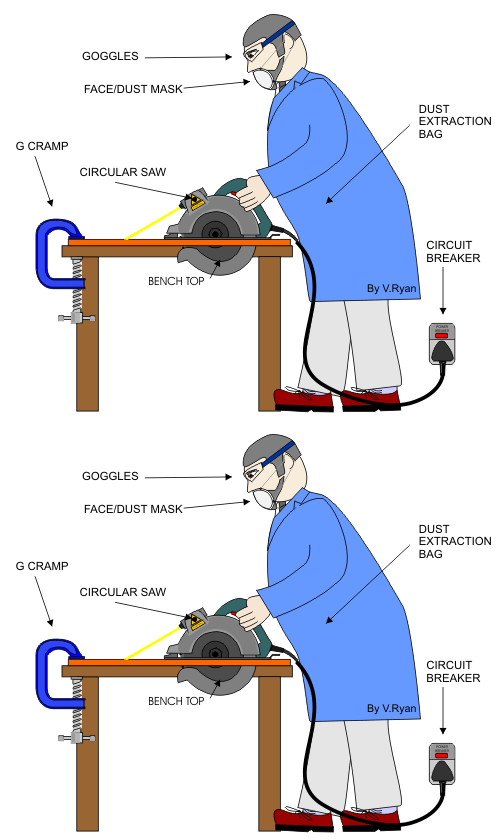
1. Always plug power
tools into a RCB (circuit breaker) as a safety measure against electrical
faults.
2. Wear goggles to protect eyes from
dust/chippings and a face/dust mask to prevent breathing in dangerous dust
particles.
3. Always read the manufacturers
instructions very carefully and follow them.
4. Always seek instruction / training from
an appropriately qualified instructor before using any tools, especially power
tools.
5. Make sure that the mains cable cannot be
tripped over or that it causes a hazard in anyway.
6. G Cramp the material to be cut/shaped to
a firm workbench before starting.
7. Fit an extraction bag to the circular saw
if one is available. This will collect most of the dust.
8. Keep hands and fingers away from the
rotating blade.
9. Before plugging in to the mains, check
the condition of the blade. Do not use the saw if the blade looks damaged or
worn.
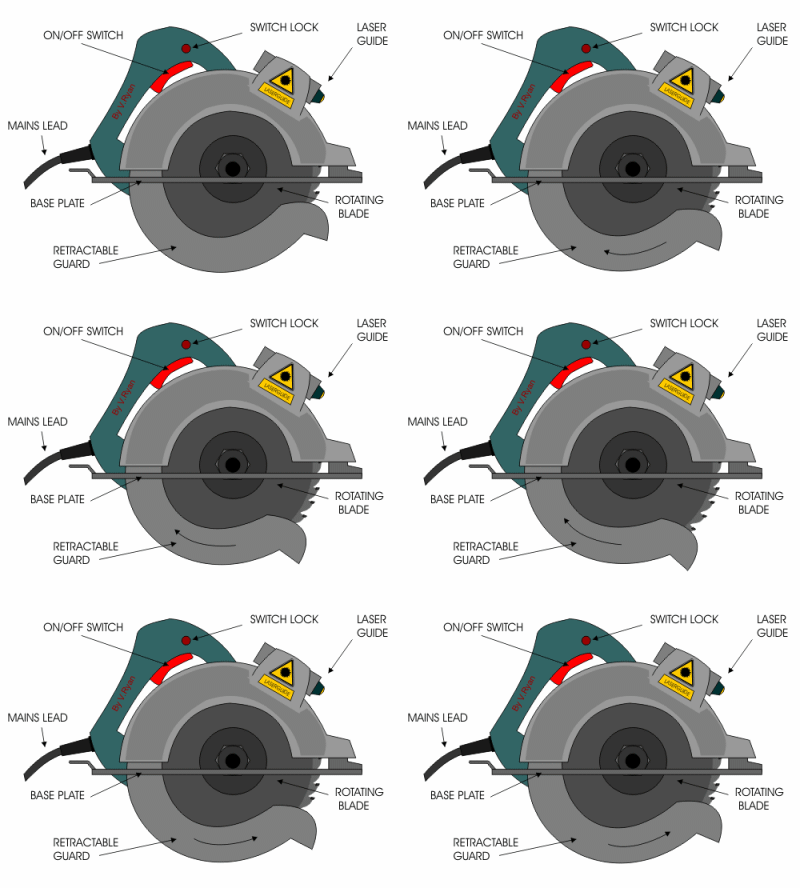
A basic hand held circular saw is shown below. Most circular saws have a laser to help the operator guide the saw accurately, in the chosen direction. The retractable guard helps cover the rotating blade so that hands and fingers are relatively safe. The base plate rests on the material to be cut and can be altered to give a variety of angles (normally 90 to 45 degrees). Whilst in use, if the switch lock is pressed, the trigger finger can be removed from the ON/OFF switch and the blade will still rotate and cut. This makes the circular saw more comfortable to use.
Circular saws are possibly the most dangerous power tool of them all. Never use one until you have received proper instruction from a suitably qualified person.
1. The circular saw is
normally used for heavy and substantial work where ‘thick’ materials are being
used. It is advisable to use lighter tools such as jigsaws for less heavy work -
this is a safer option.
2. Inspect the wood to be cut very carefully
especially if the material is second hand. Remove nails and screws from the
material before cutting with a circular saw. Potentially serious accidents can
take place if the rotating blade of a circular saw hits a steel screw or nail.
3. Never use the circular saw with one hand
and rest the other in front or at the side of the saw. A circular saw will cut
through flesh and bone quickly. Keep hands and fingers well away from the blade.
It is advisable to control the circular saw with both hands. This keeps the saw
under control and at the same time keeps hands and fingers away from the
rotating blade.
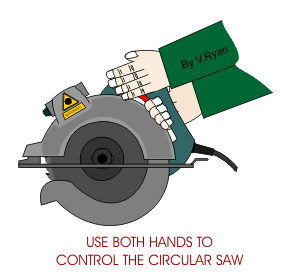
TABLE CIRCULAR SAWS
Table circular saws are used for cutting woods to size . They
are extremely powerful and dangerous if used incorrectly. DIY table circular
saws are ideal for cutting manmade boards such as plywood and MDF and natural
woods up to a size of approximately 50mm thickness. They can be used to cut
materials for joinery, furniture and windows. A table circular saw is normally
supplied with a floor stand and this lifts the saw up to a safe working height.
Saws of this type are a necessary piece of equipment for heavy joinery work.
The safe use of table circular saws are outlined below. Remember, before
operating any power tools you must receive training from a suitably qualified
instructor. They must be used safely as an accident with this type of equipment
can be very serious.
1. Always plug power
tools into a RCB (circuit breaker) as a safety measure against electrical
faults.
2. Wear goggles to protect eyes from
dust/chippings and a face/dust mask to prevent breathing in dangerous dust
particles.
3. Always read the manufacturers
instructions very carefully and follow them.
4. Always seek instruction / training from
an appropriately qualified instructor before using any tools, especially power
tools.
5. Make sure that the mains cable cannot be
tripped over or that it causes a hazard in anyway.
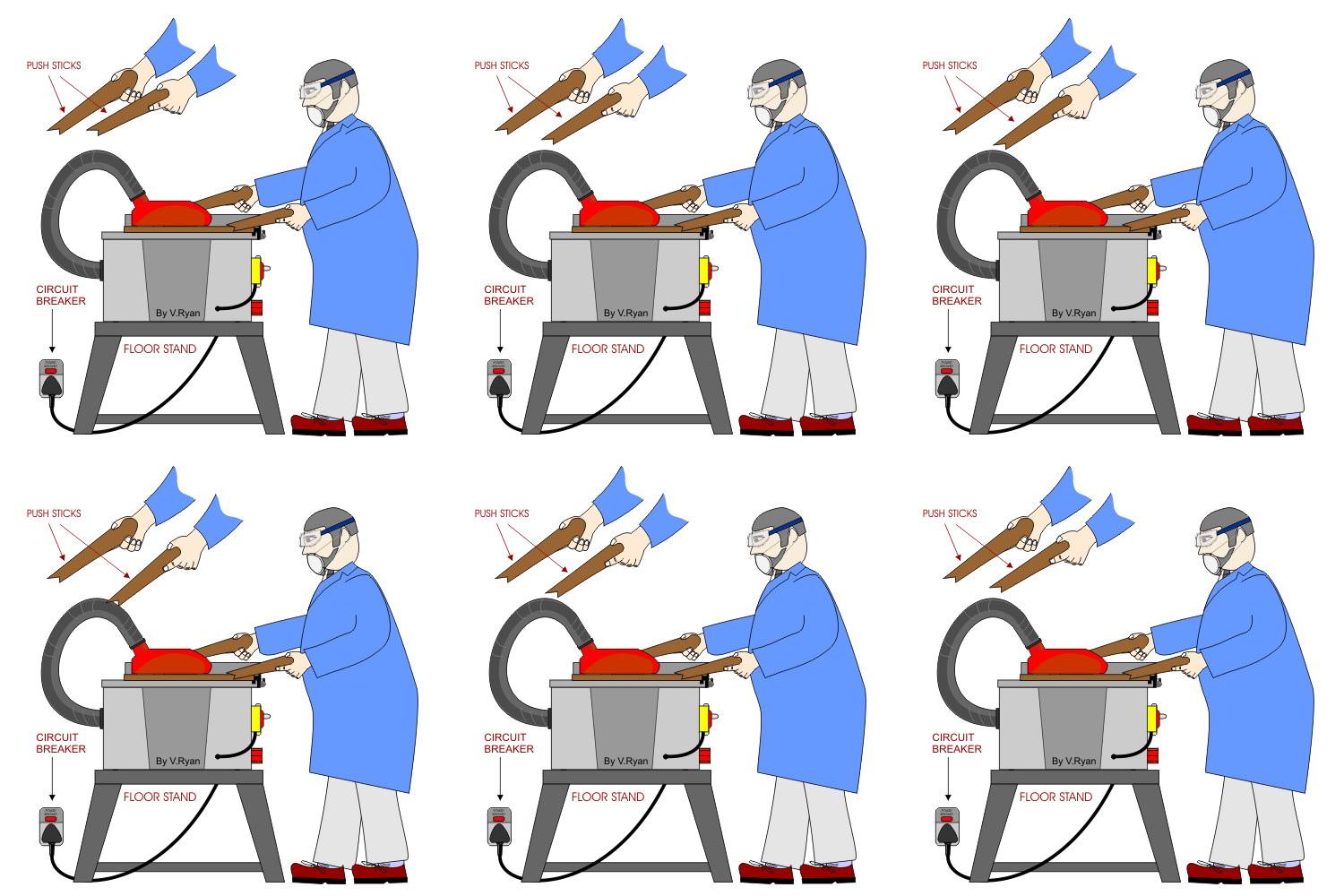
6. Use push sticks so that hands and fingers
are kept away from the dangerous rotating blade.
7. Fit an extraction unit to remove all the
dust and small practicals.
8. Keep hands and fingers away from the
rotating blade.
9. Before plugging in to the mains, check
the condition of the blade. Do not use the saw if the blade looks damaged or
worn.
10. Check the condition of the wood to be
cut especially if it is recycled. Look out for nails and screws. if these are
hit be the rotating blade the wood can be thrown out of the machine at great
speed. The blade will also be damaged.
11. Turn off all power to the saw when
changing a blade or carrying out maintenance.
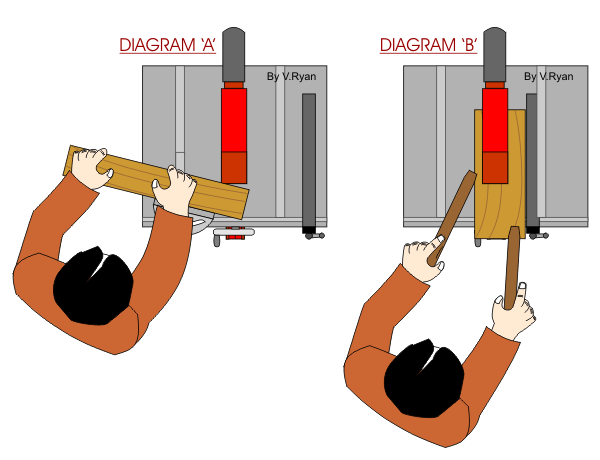
Diagram ‘A’ shows the mitre
guide being used. This allows the wood being machined to be cut accurately at a
set angle. The mitre guide can be set to a range of angles. This is a useful,
simple accessory.
Diagram ‘B’ shows push sticks being used. They are
used to push / guide the wood along the fence and towards the rotating blade.
Push sticks must always be used if the operators hands move too close to the
circular saw. The distance between the fence and blade can be set to different
distances allowing for a range of widths of material to be cut.